

Sprang: The Ancient Technique for Creating Stretchy Fabric
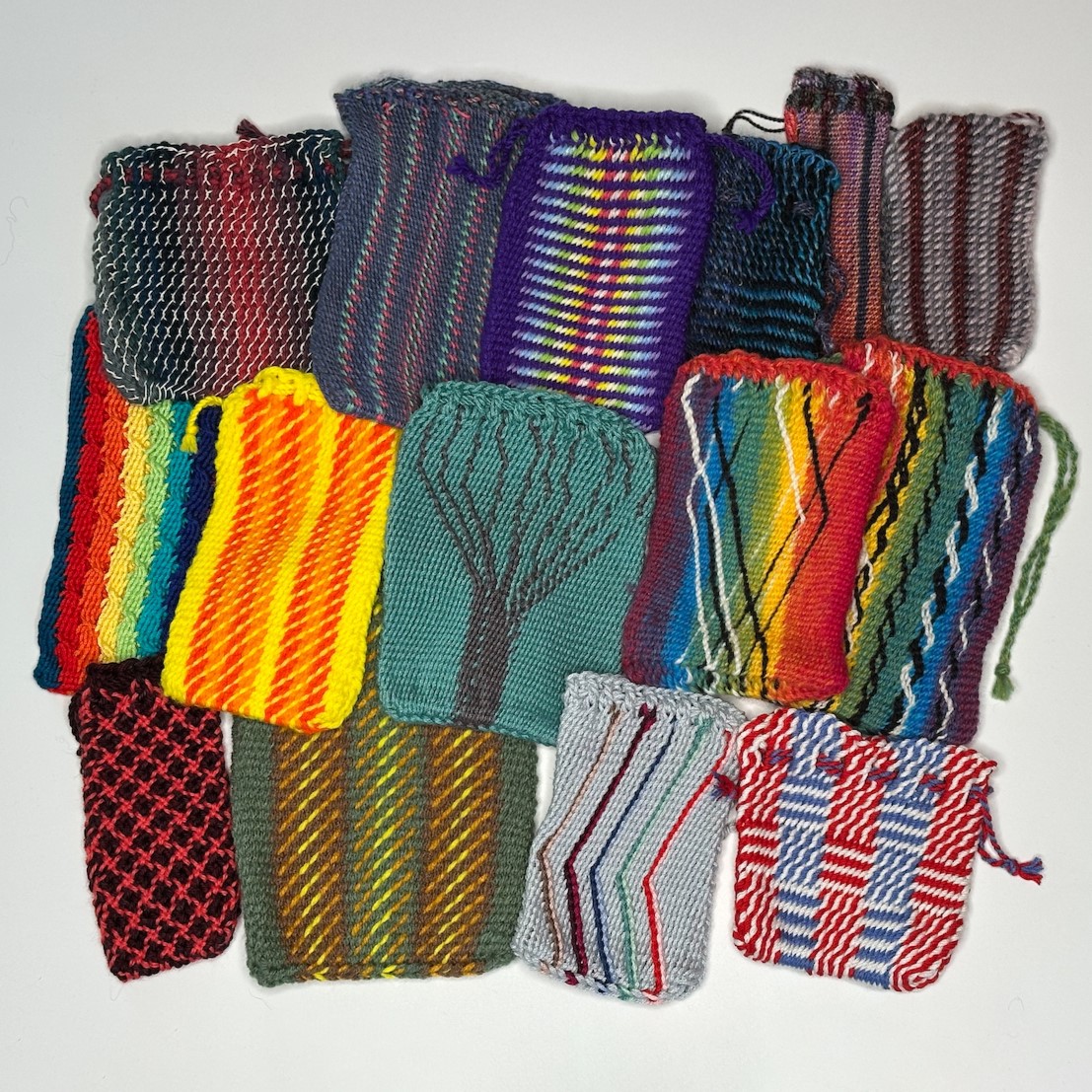
Was there such a thing as stretchy fabric before synthetic materials? There was! Sprang is an ancient technique for creating elastic cloth. In this blog post, Sharon Wichman writes about this once-forgotten fiber art.
Sharon Wichman’s life has been taken over by the lure of the threads she twists into hats, bags, scarves, belts, mittens, and more. A new instructor at North House, she answers some questions about this ancient but mostly forgotten technique.
What is sprang?
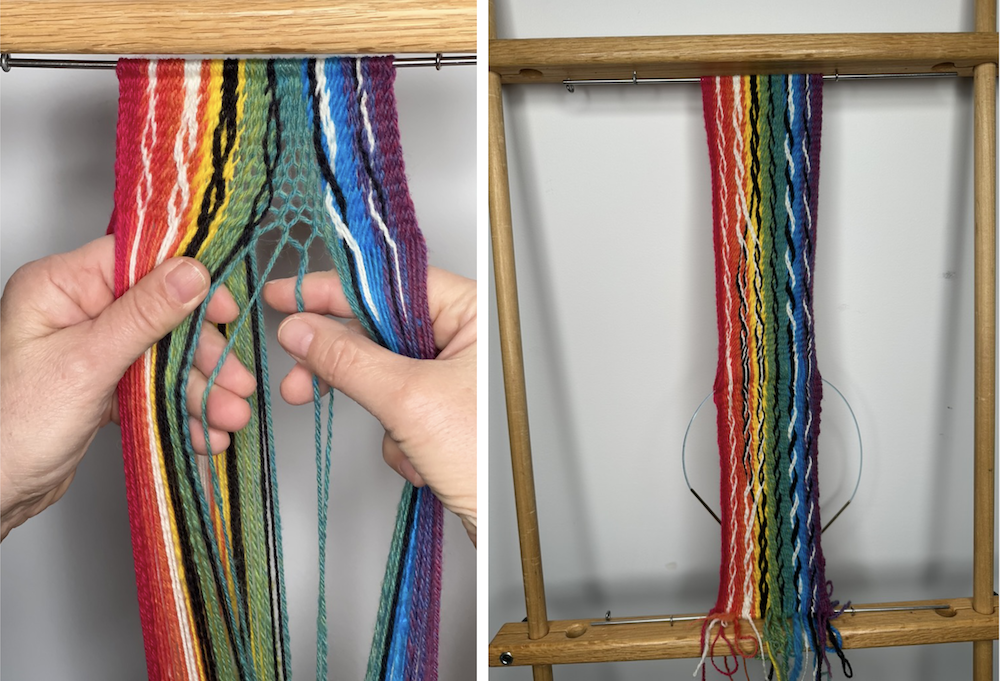
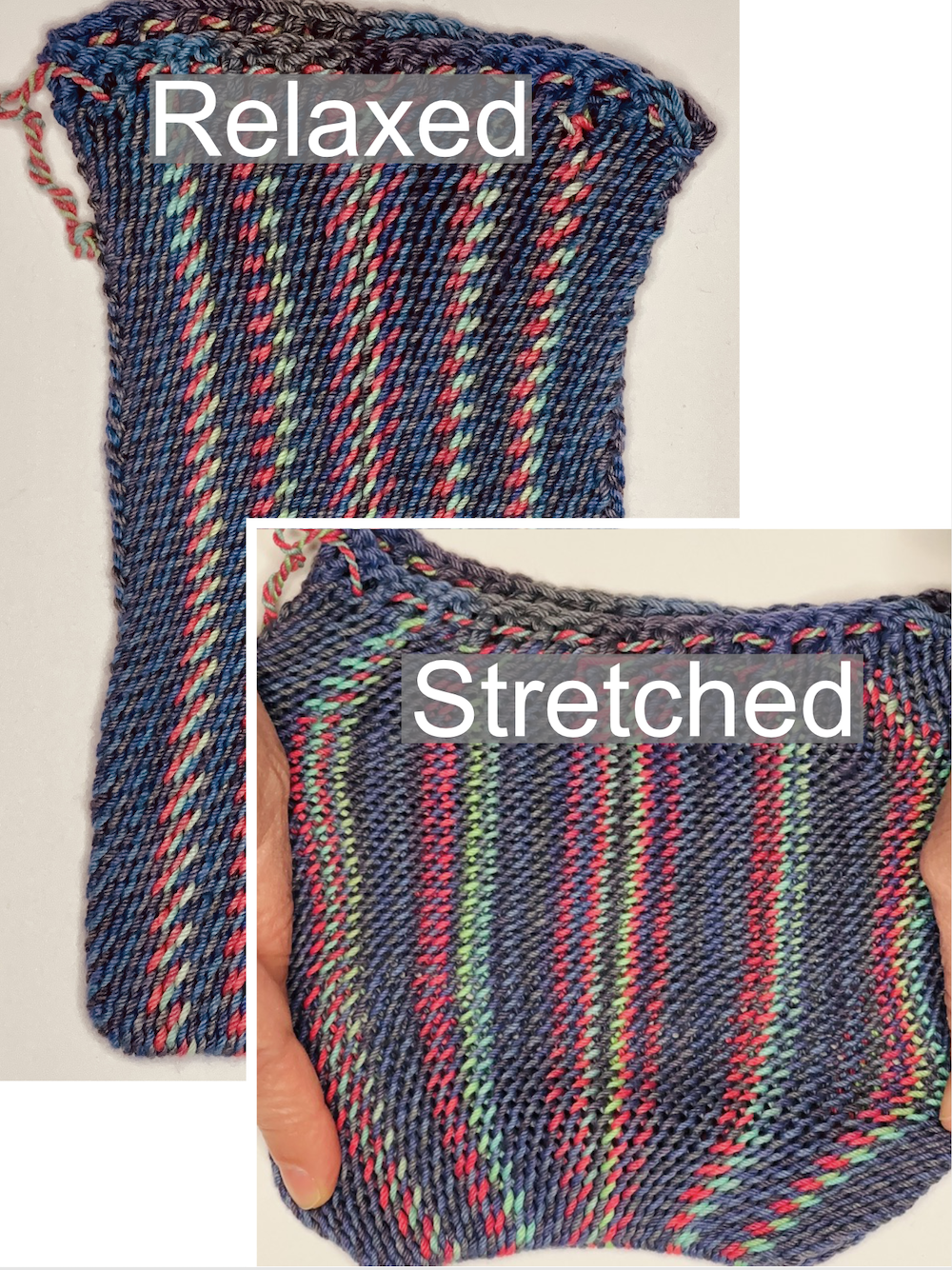
Sprang is a low-technology technique for creating cloth. Threads are stretched as on a frame and braided to create a stretchy cloth. Since the threads are attached at both ends of the frame, two mirror-image pieces of cloth are formed at the same time.
What is the historical significance of sprang?
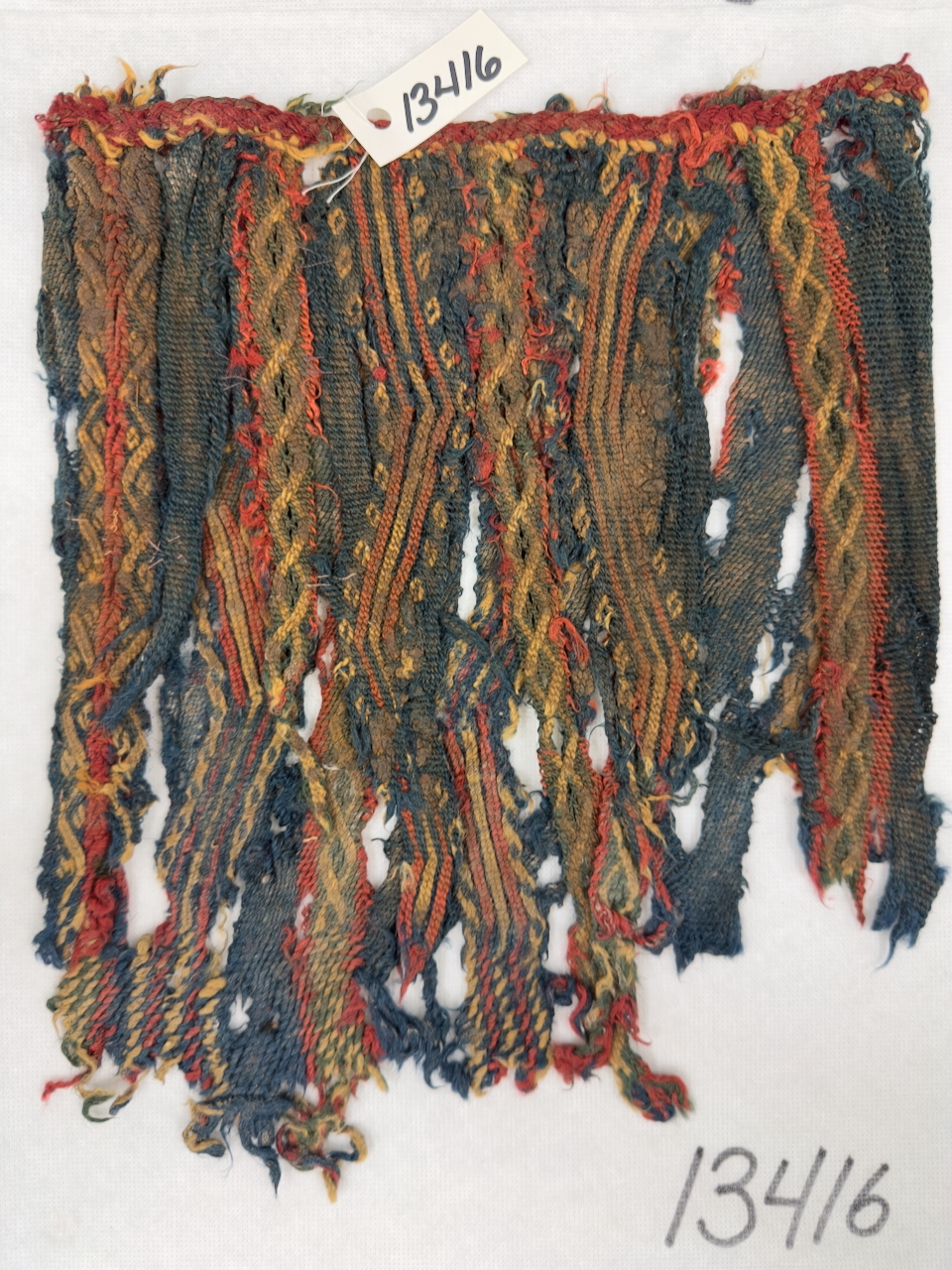
George Washington wore a sprang sash with intricate lace designs. The Vikings created sprang bags with wooden handles. Indigenous peoples in North and South America made belts, sashes, baby slings, bags, tassels, shirts, and more with this technique. Sprang hairnets (including the one below, currently housed at the Kelsey Museum in Ann Arbor, MI) were common in Roman-occupied (Coptic) Egypt in the 4th-7th centuries. The list goes on and on. Sprang was used in many places around the world to create stretchy cloth.
So why haven’t I heard of sprang?
The technique was forgotten during the Industrial Age, when modernization moved cloth manufacture from the home to factories. When archaeological digs in the late 1800s turned up cloths with the unique interlinking structure, academics “rediscovered” sprang techniques. At the same time, ethnologists studying intact cultures discovered continued usage of the technique in many isolated communities around the world.
Where did you learn about sprang?
Six years ago, I was nalbinding during a fiber-related lecture, and after class the teacher (Martha Ritter, a long-time North House volunteer) said, “If you like nalbinding, you need to check out sprang. Carol James is teaching a class at the Duluth Fiber Guild (DFG) in two weeks.” I had never heard of sprang or the DFG, so I looked up the class. My first reaction was “Meh, it could be interesting. But not worth an entire weekend.”
But the class kept drawing me back, urging me to read through the description again and again, each time a little more tempted. It was as if my ancestors were calling me, poking me toward this art form that they once practiced.
What do you love about sprang?
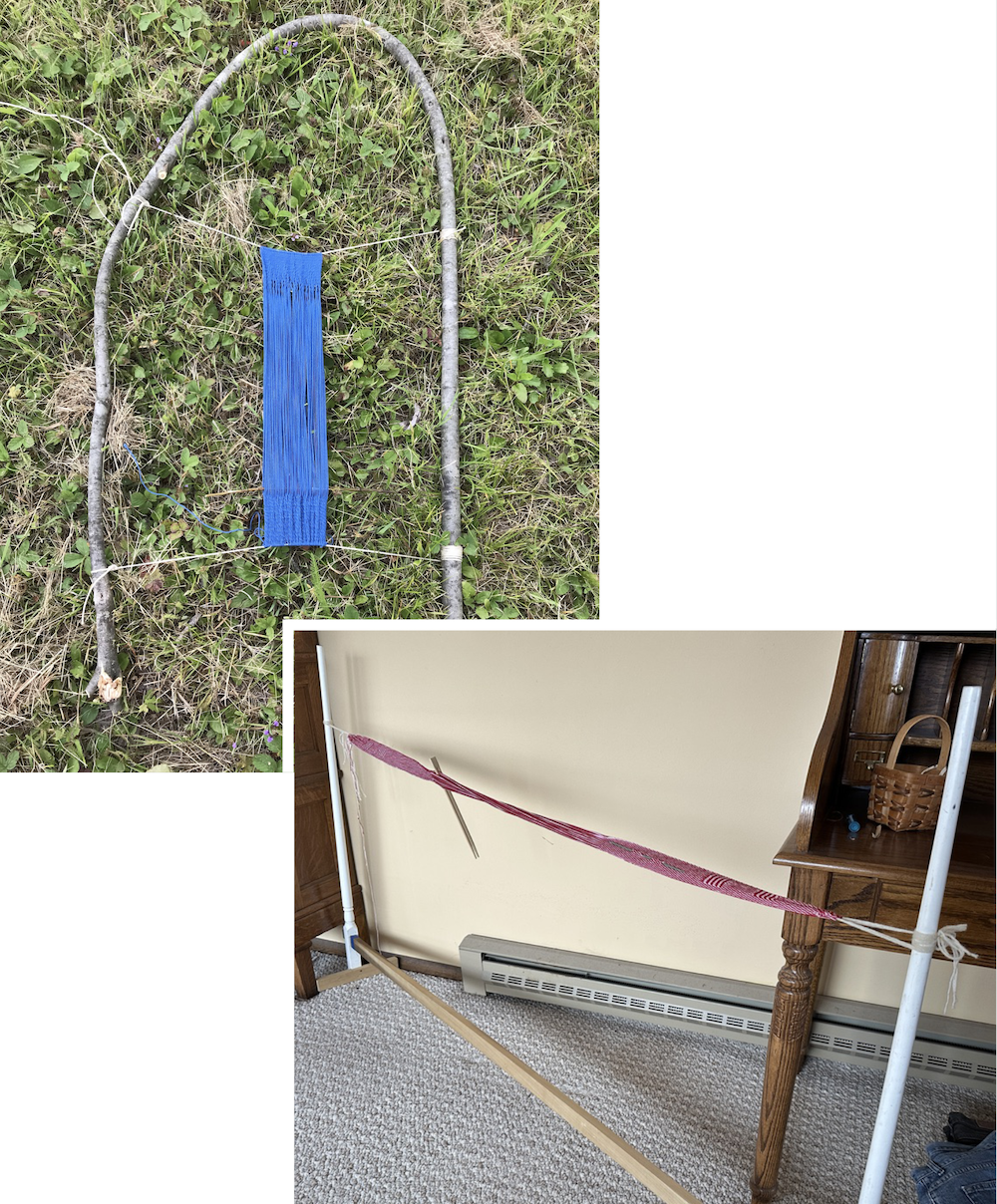
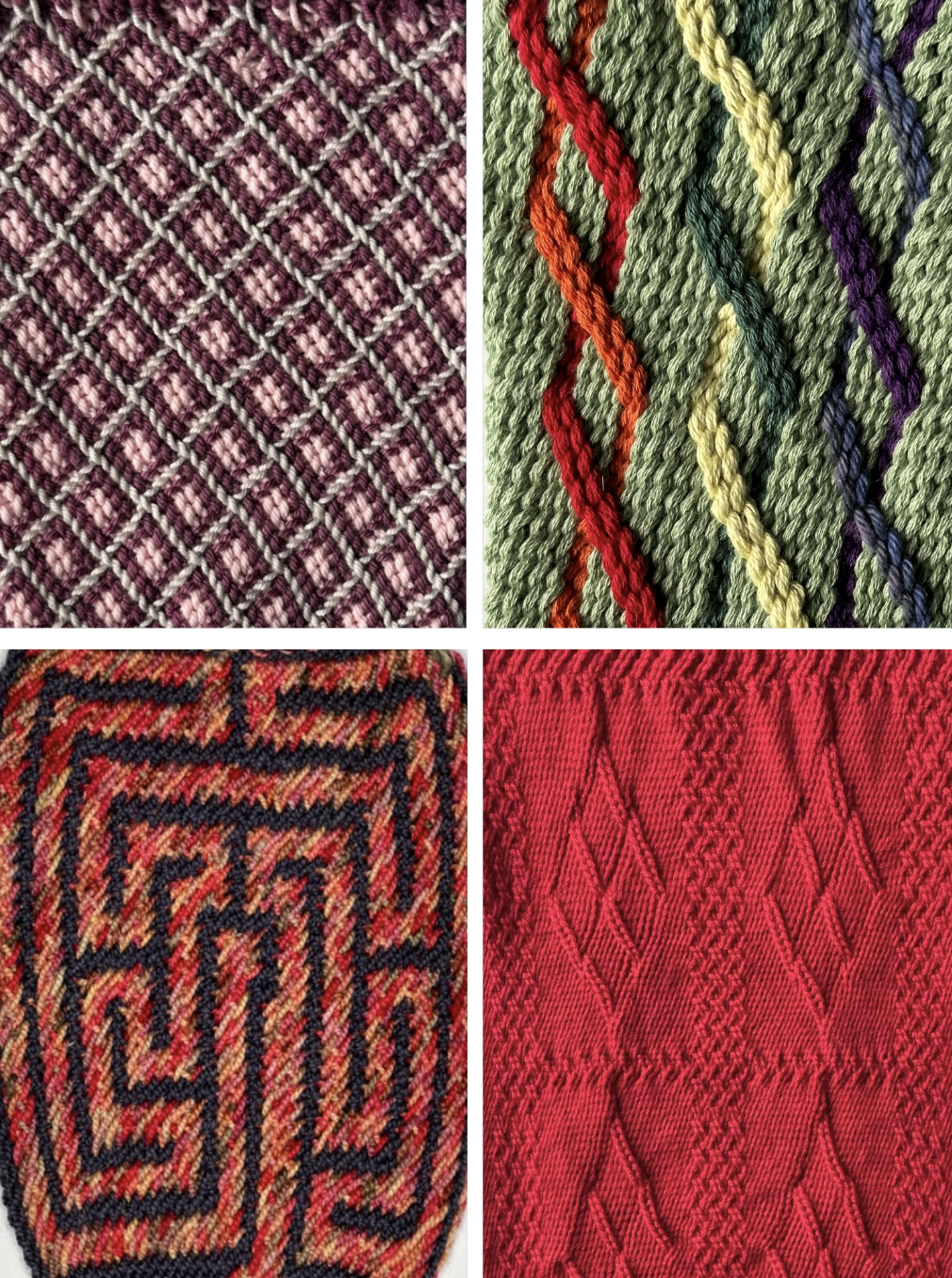
There are SO many design possibilities with very few tools required. The only equipment required to work sprang is a frame to hold the threads taut, fingers, and a couple sticks to keep your place. The frame can be as simple as a bent stick or two vertical posts (though I usually use the modern frame in the first photo). And with such a simple setup, I can make a wide range of designs.
Where can we learn more about sprang?
I have many photos and a list of resources at my website: SprangArt.com.
I also teach sprang classes at North House. You can find the next one here.