

Toys, Time, Freedom, and Beauty
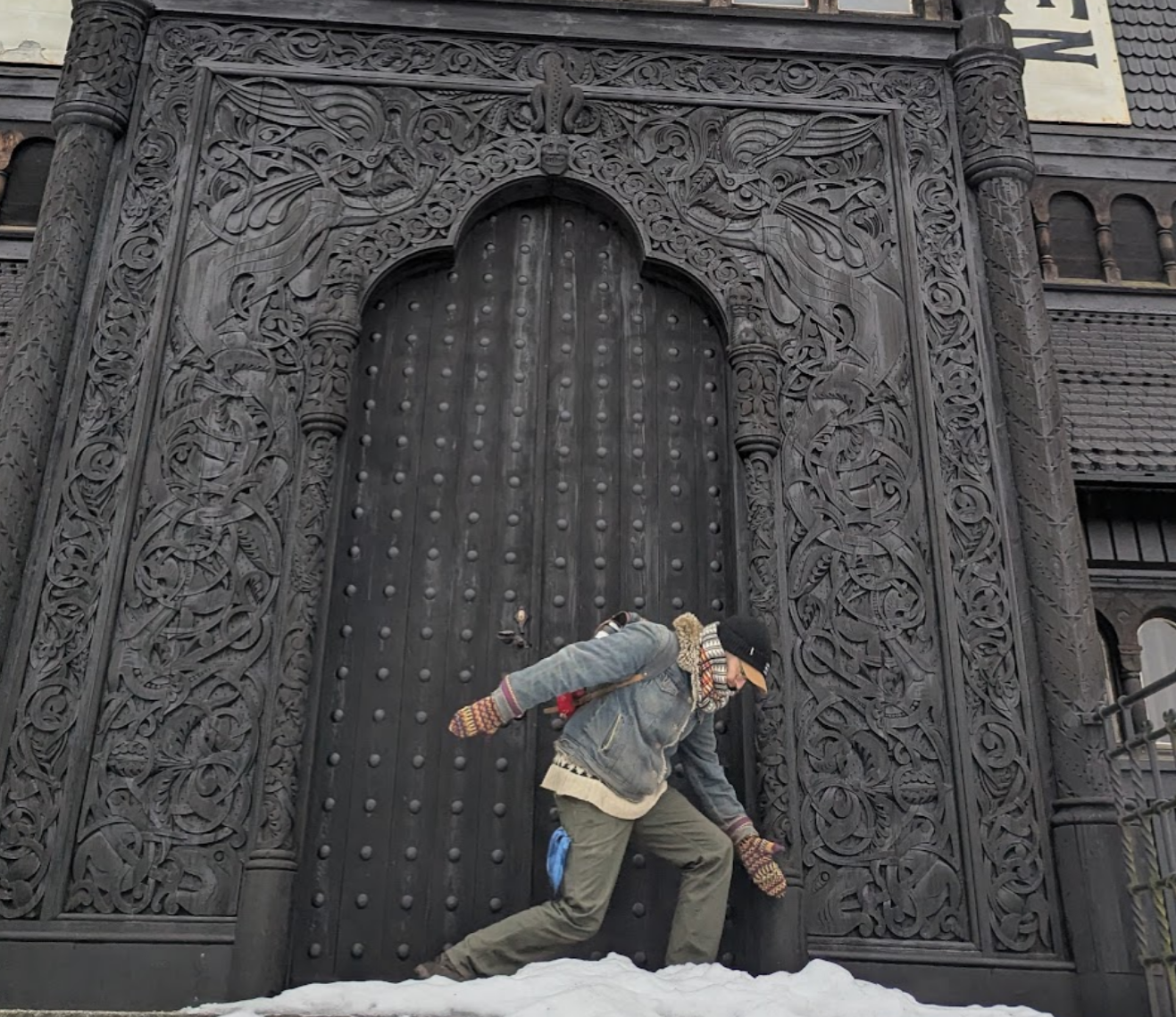
Each year, our four Resident Artisans take a trip to Sweden! In this post, Jake Fee writes about why handcraft flourished in Sweden, and the lessons that handmade toys can teach us.
I recently returned from a trip to Sweden, as part of the Artisan Development Program. We toured museums, archives, folk schools, and workshops, establishing new connections and warmly greeting old friends.
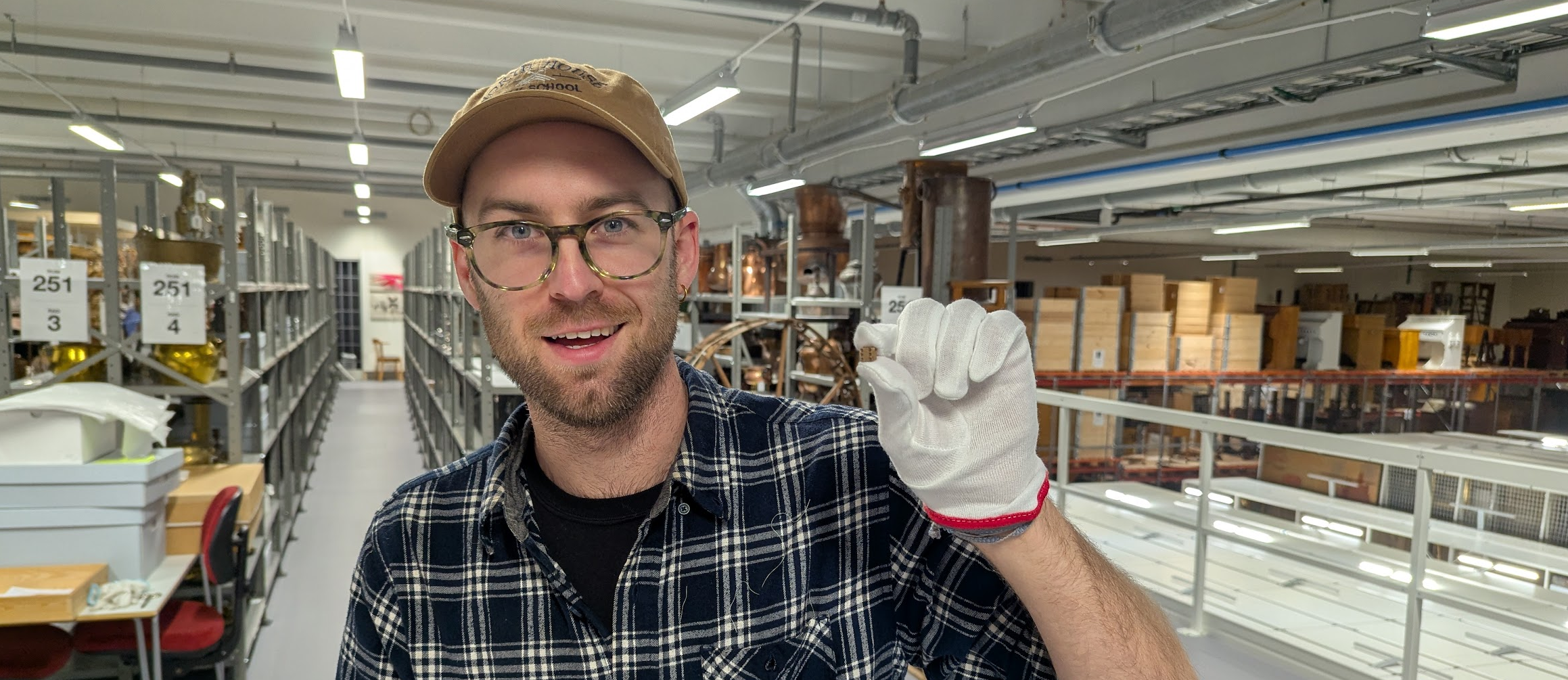
I took 2,447 photos during our two-week trip, and learned many lessons about the nature of craft.
1. Everyday items are vessels of beauty. Over and over again, we saw everyday objects such as spoons, bowls, chairs, dressers, shoes, hats, and belts that were thoughtfully made and beautifully decorated.
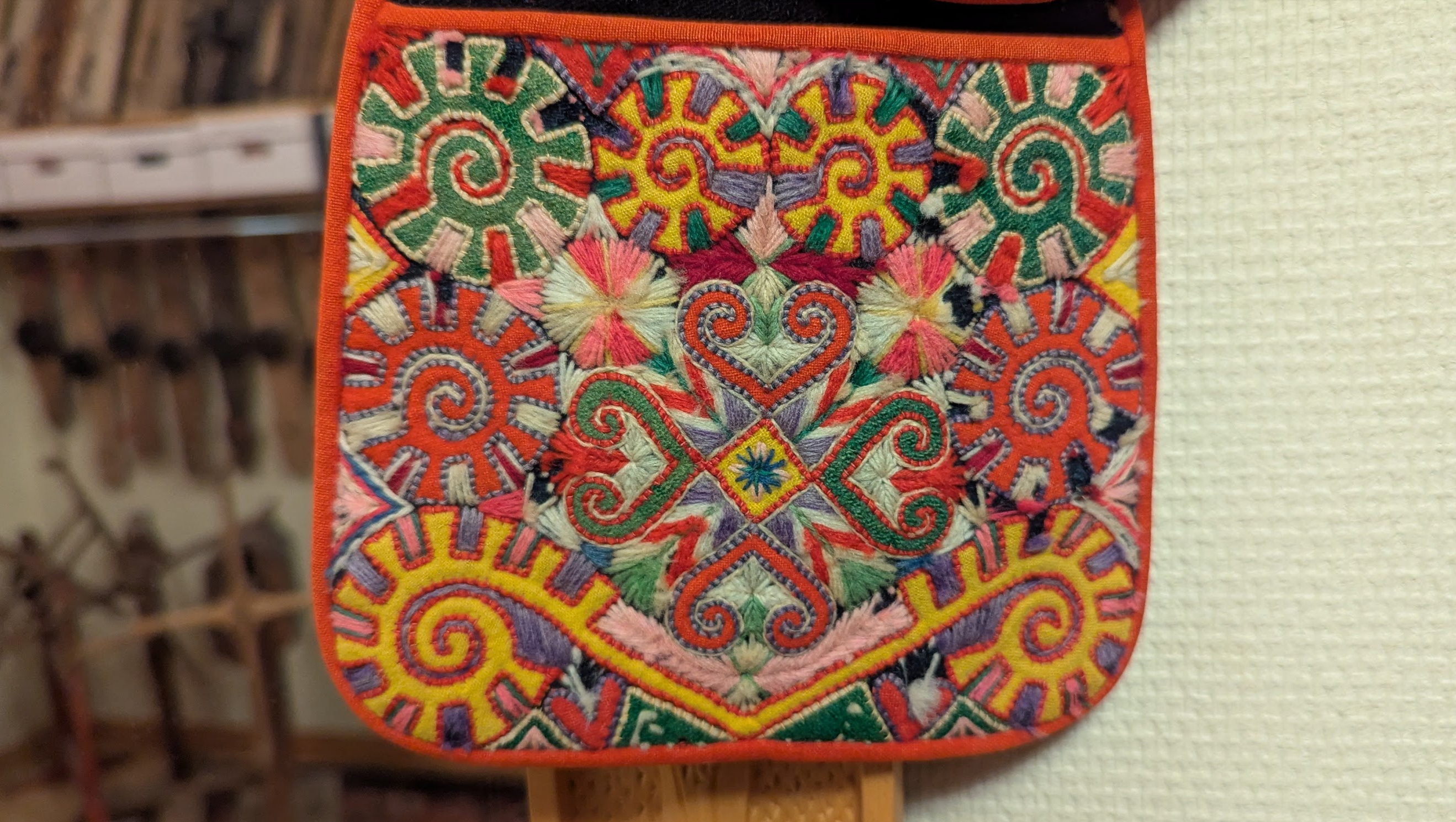
This absolutely stunning bag was in the collection of Kirsi Manni, master weaver and stunning craftswoman. What a joy to carry everyday things in such a vibrant vessel!
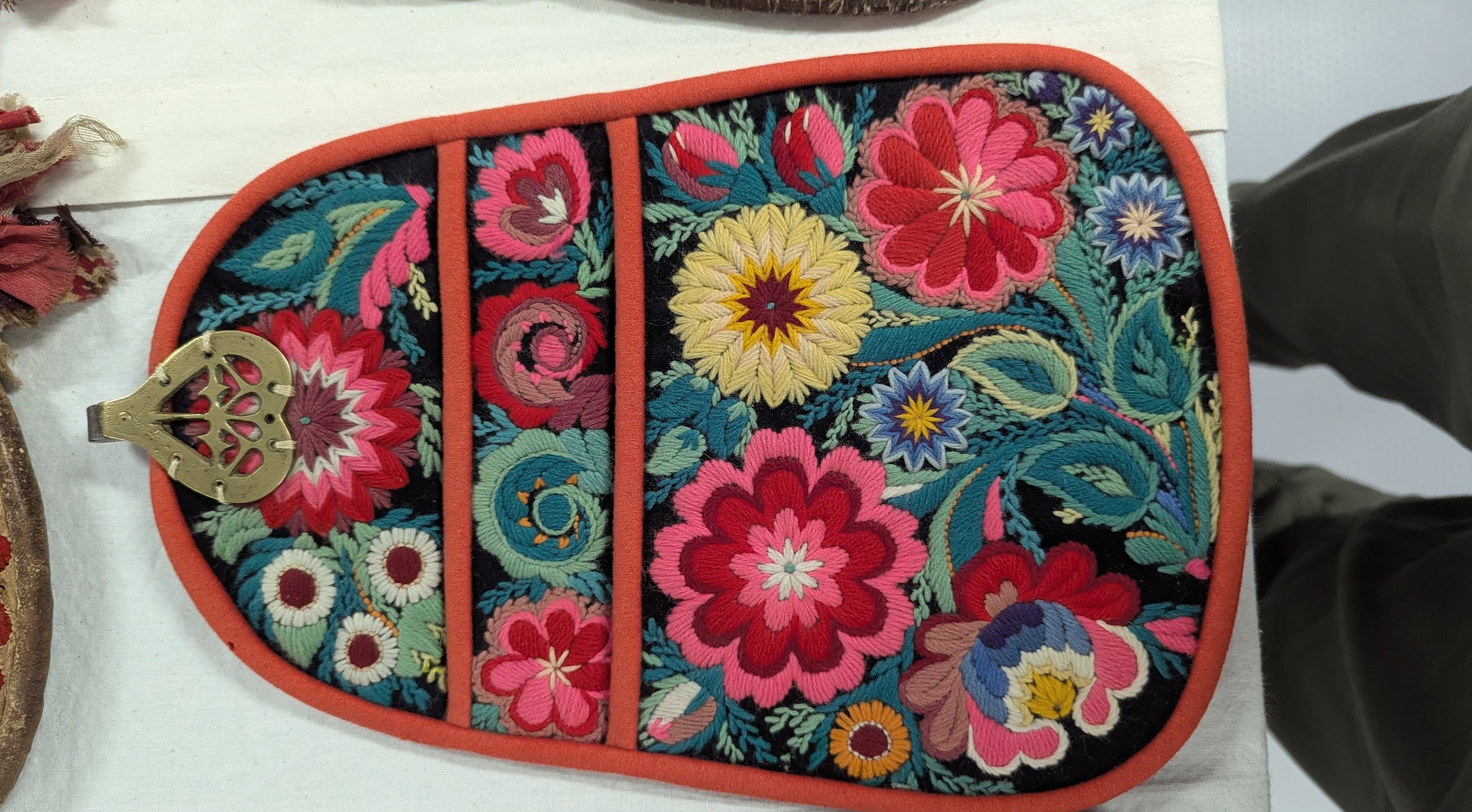
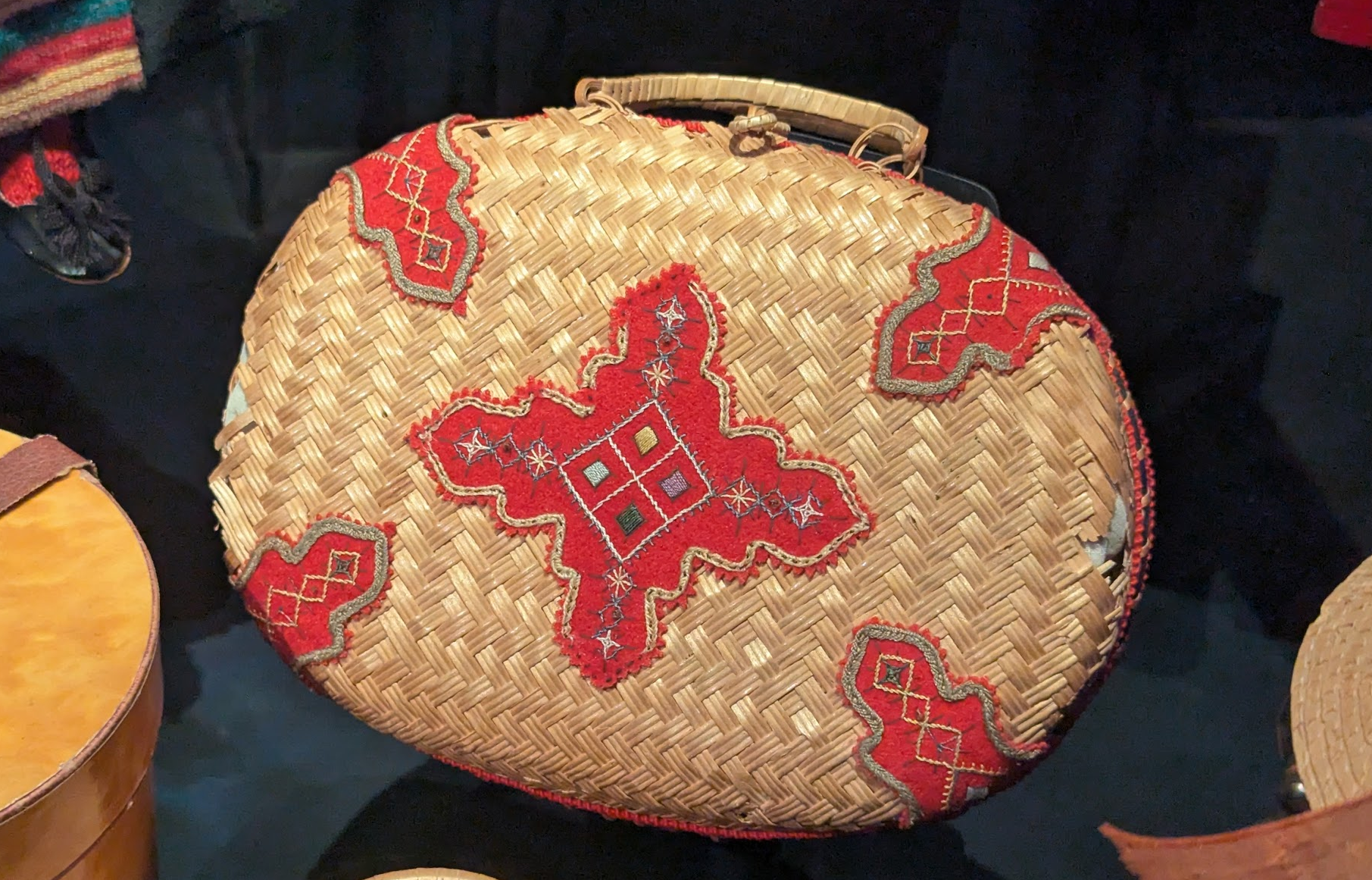
Here is a very similar bag from the Dalarna Museum. Wow! Think of the time and care that went into this small piece. Think how much more engaging our own surfaces and fabrics could be!
2. Creativity without constraint. I learned on this trip that Sweden has been astoundingly impoverished for a fair portion of their history. Ordinary folks made their own tools, clothes, homes, and entertainment. Because of this, the level of craft skill was exceptionally high, and many areas of Sweden have done an excellent job maintaining those skills. This is, in part, a reason why North House is so engaged in the Swedish craft tradition, among others! It is a very rich seam indeed.
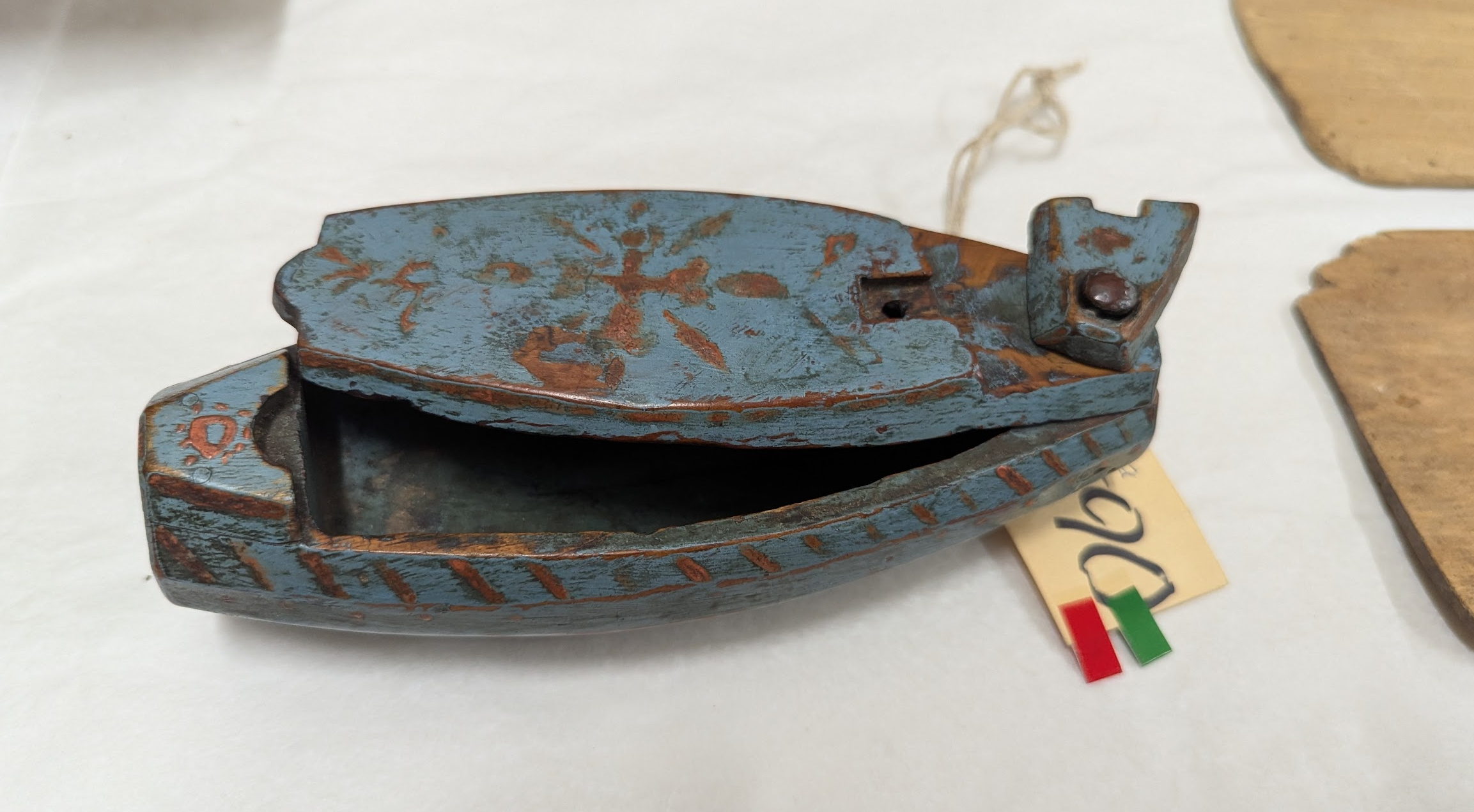
What this means in practice is that people were amazingly creative without being constricted by formal designs or rules. This blue wooden box was totally unique, and we didn't see anything like it for the whole trip. It was made in 1721, and after 305 years of use, the container still fit snugly.
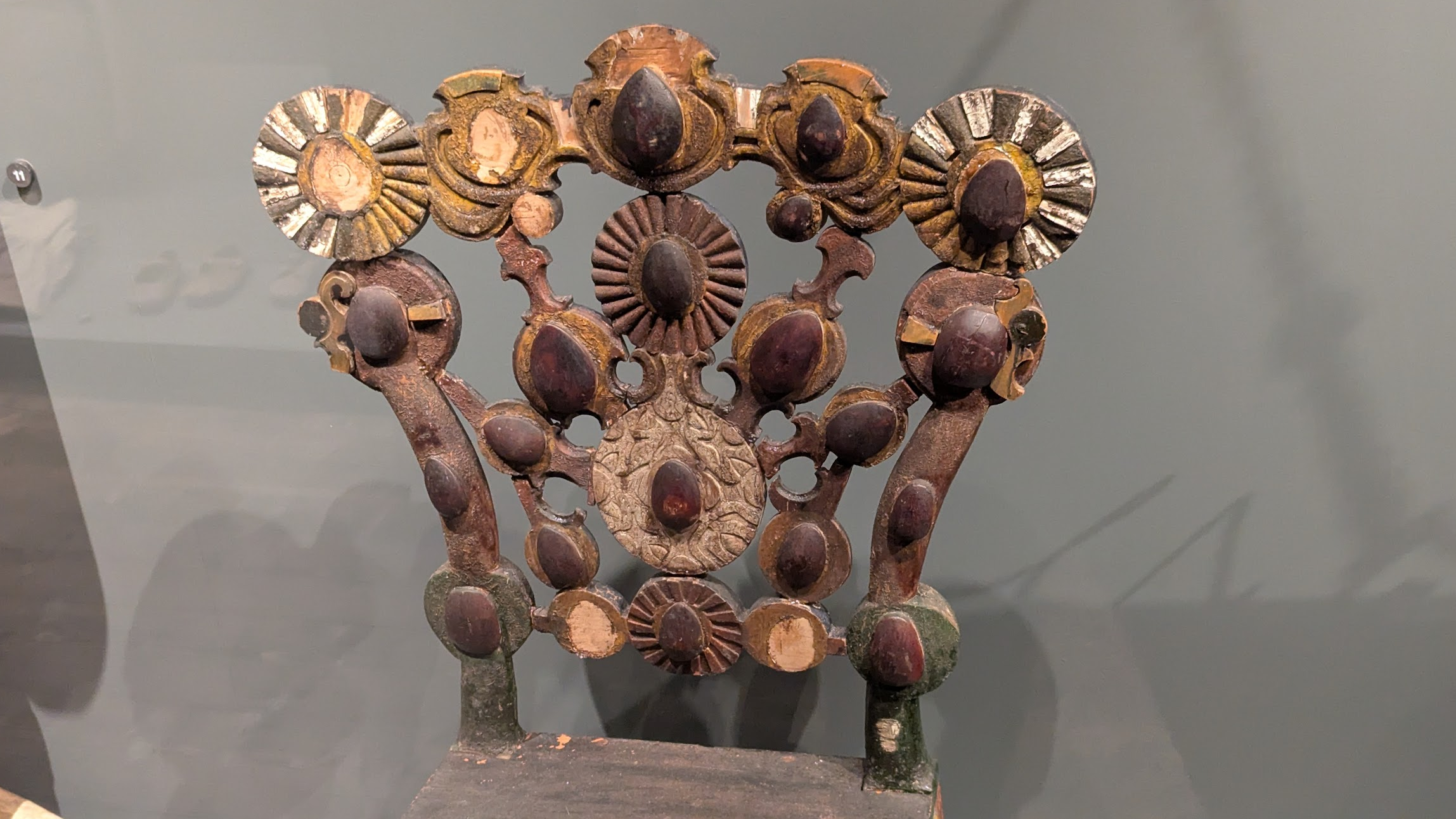
Here, again, another object totally unique from the others, demonstrating an amazingly high skill level and an amazingly singular creative style. After this trip, I feel more inspired to be free and innovative with designs, colors, mechanisms, and stories. Craft is about techniques, I think, rather than rules.
3. Time was cheap. Nowadays, labor cost is often more expensive than material cost. This is part of the reason why so many of our everyday objects - houses, cutlery, bluetooth speakers, underwear - are made as efficiently as possible. Labor is costly. Get it done quick and cheap. There are only so many hours in the day. In the past, it seems, this was not so true. Our cohort discussed this often during our trip.
Before automated farming, milling, logging, mining, and other raw-material industries, materials were much more expensive. These expensive materials were worked by a large, cheap labor force of highly-skilled but impoverished workers. The result was a world of well-made, highly-decorated, beautiful and practical items. This is a wide generalization, of course, but a consistent theme in the story of craft.
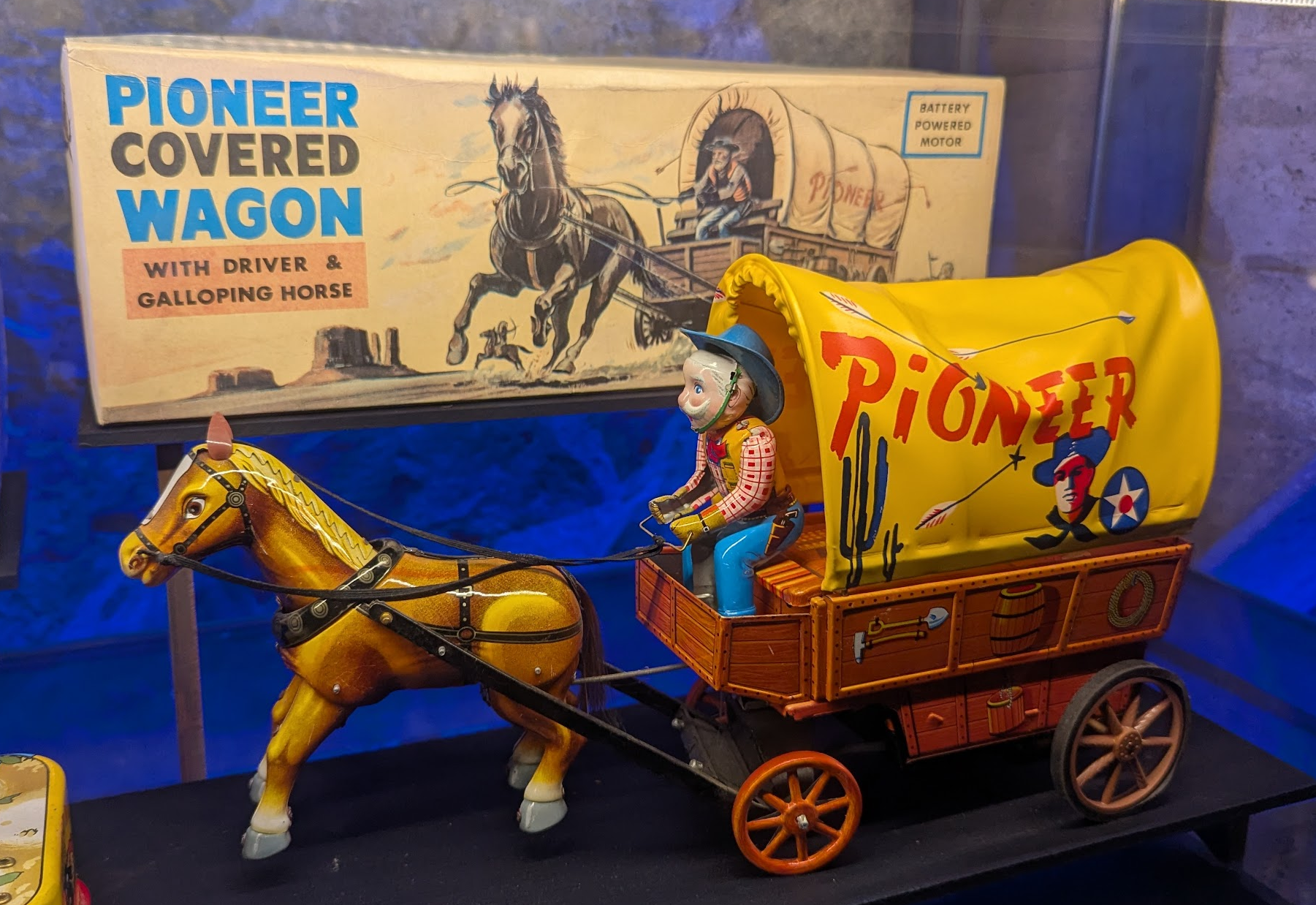
4. Toys are teachers. I love making toys and games, so of course I took a luxurious tour of the Stockholm Toy Museum during our trip. I was surprised to learn that the very oldest toys in the historical record are wooden models of Noah's Ark, made by the early clergy in an attempt to Christianize the hammer-swinging, troll-talking Nordic pagans. A blatant piece of propaganda, no doubt, but I would argue that all toys are teaching one worldview or another.
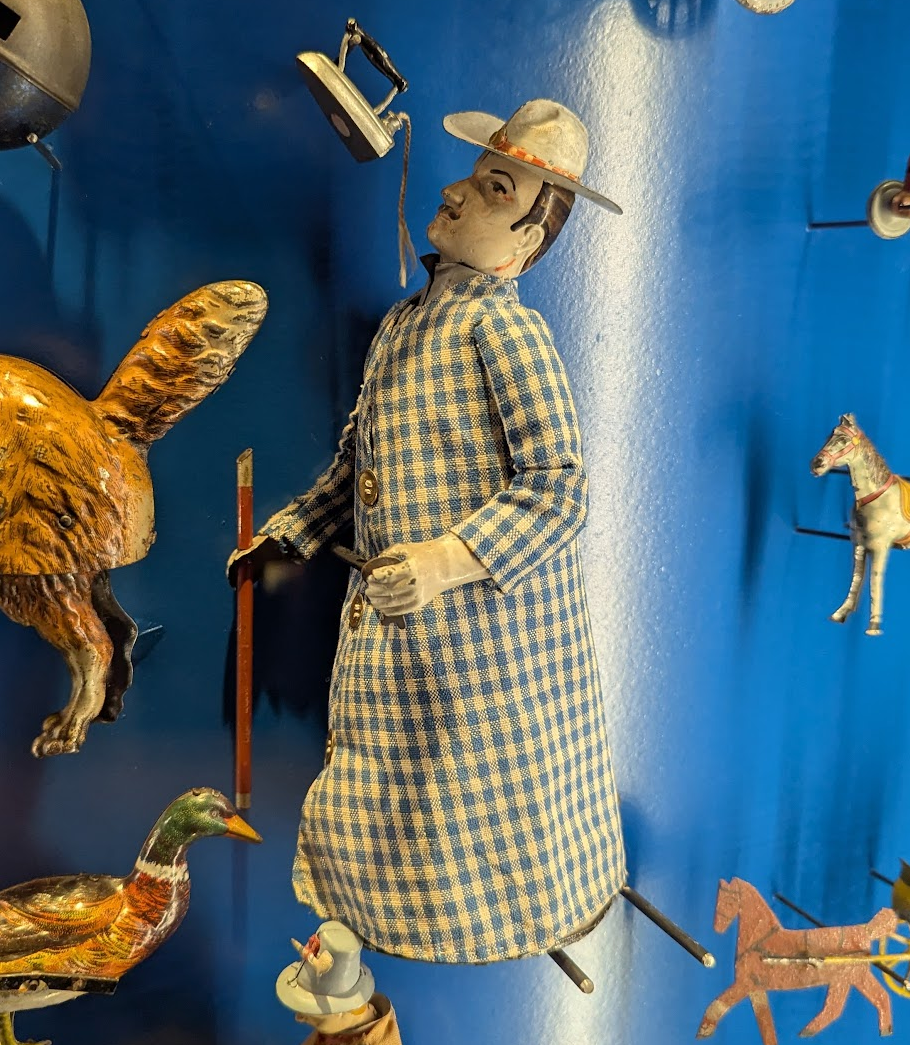
This wind-up toy from the late 1800s wobbles, stumbles, and drunkenly attempts to fit a key into a door over and over again. He is a very blatant teaching tool to warn children of the dangers of alcohol. Toy looms were sold before the industrial revolution, and miniature cast-iron steam engines were sold afterwards. Dollhouses were made with the latest fashions in mind, and spaceships were made in conjunction with the latest governmental ambitions. All of these were purposeful tools of propaganda, for better or worse. What kinds of toys should our kids play with? What sorts of games create a future we want to live in?
Many more thoughts to come in the future as I chew through my camera roll of museum archives and workshop inspirations. Thanks for tuning in.