

The Beauty and Utility of Log Construction in Sweden's Dalarna Region
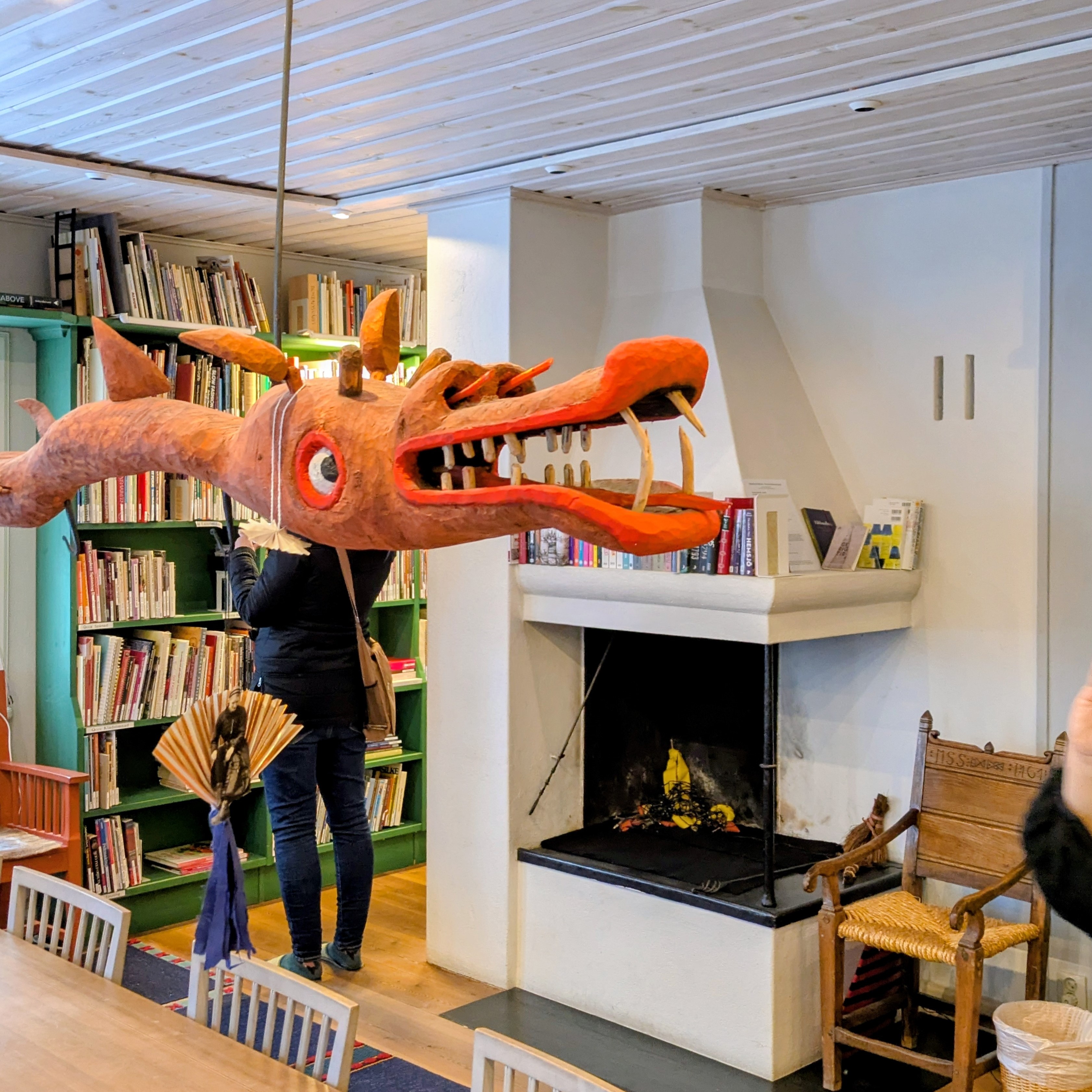
Travels in Sweden continue! In this blog post, woodworker Lauren Newby writes about the log construction she noticed throughout the Dalarna region.
As a participant in the Artisan Development Program, I had the opportunity to travel to Sweden. Alongside my wonderful cohort, we have had engaging conversations with craftspeople and deepened our understanding of craft in everyday life and how craft is being continued and nurtured. Enamored with beautifully-made objects crafted for use and joy, it was wonderful to see the ubiquitous presence of color and skill in many homes. However, I was not expecting the prevalence of log homes, and I enjoyed conversations with craftspeople about the homes they built and rebuilt.
Prior to my time at North House, I experienced rebuilding a log home, originally built in 1840 by a Norwegian immigrant. The sustainability of building and reusing log homes with the material that grows around us was encouraging to see in modern cities and villages.
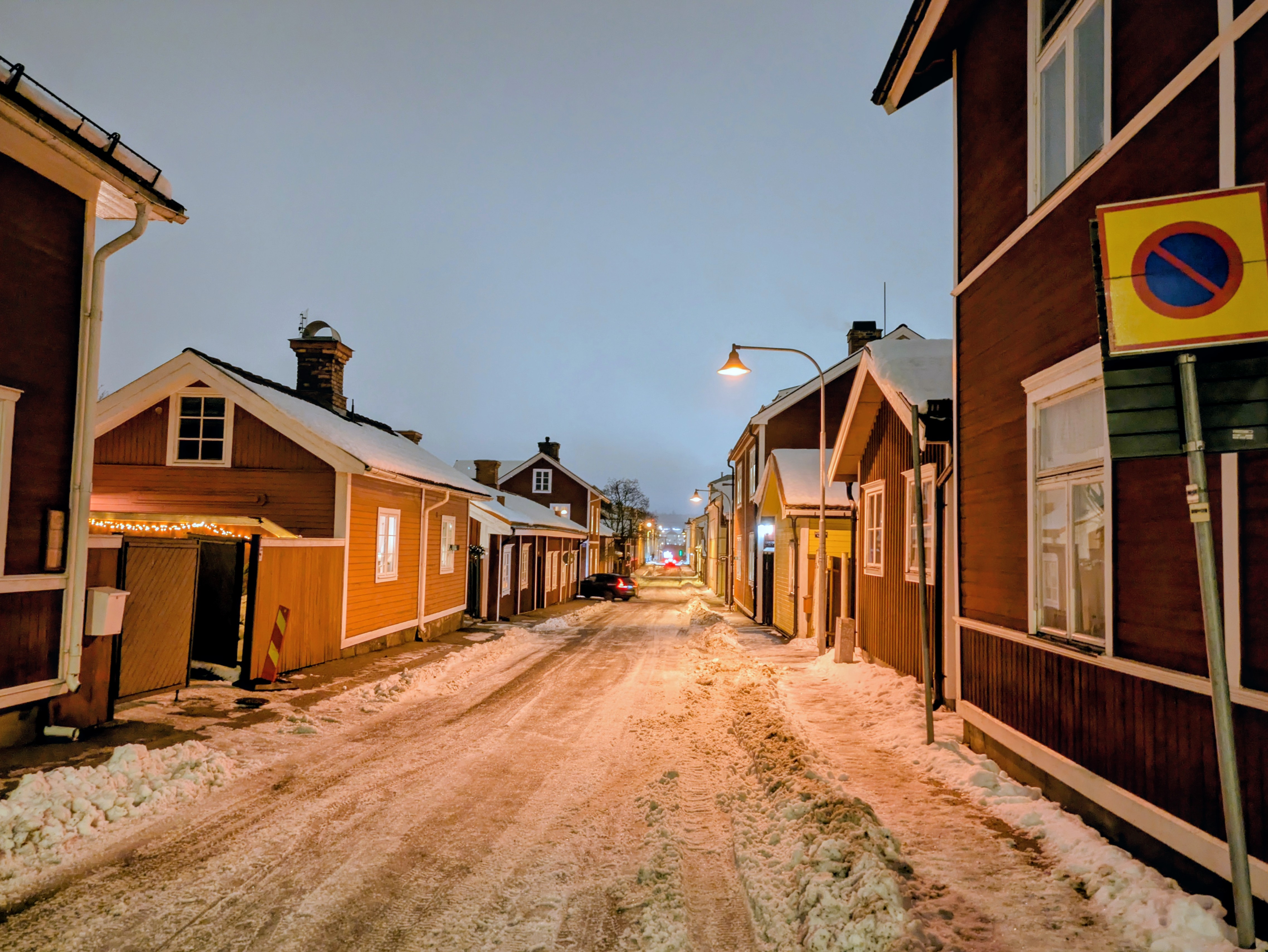 UNESCO world heritage site in Falun
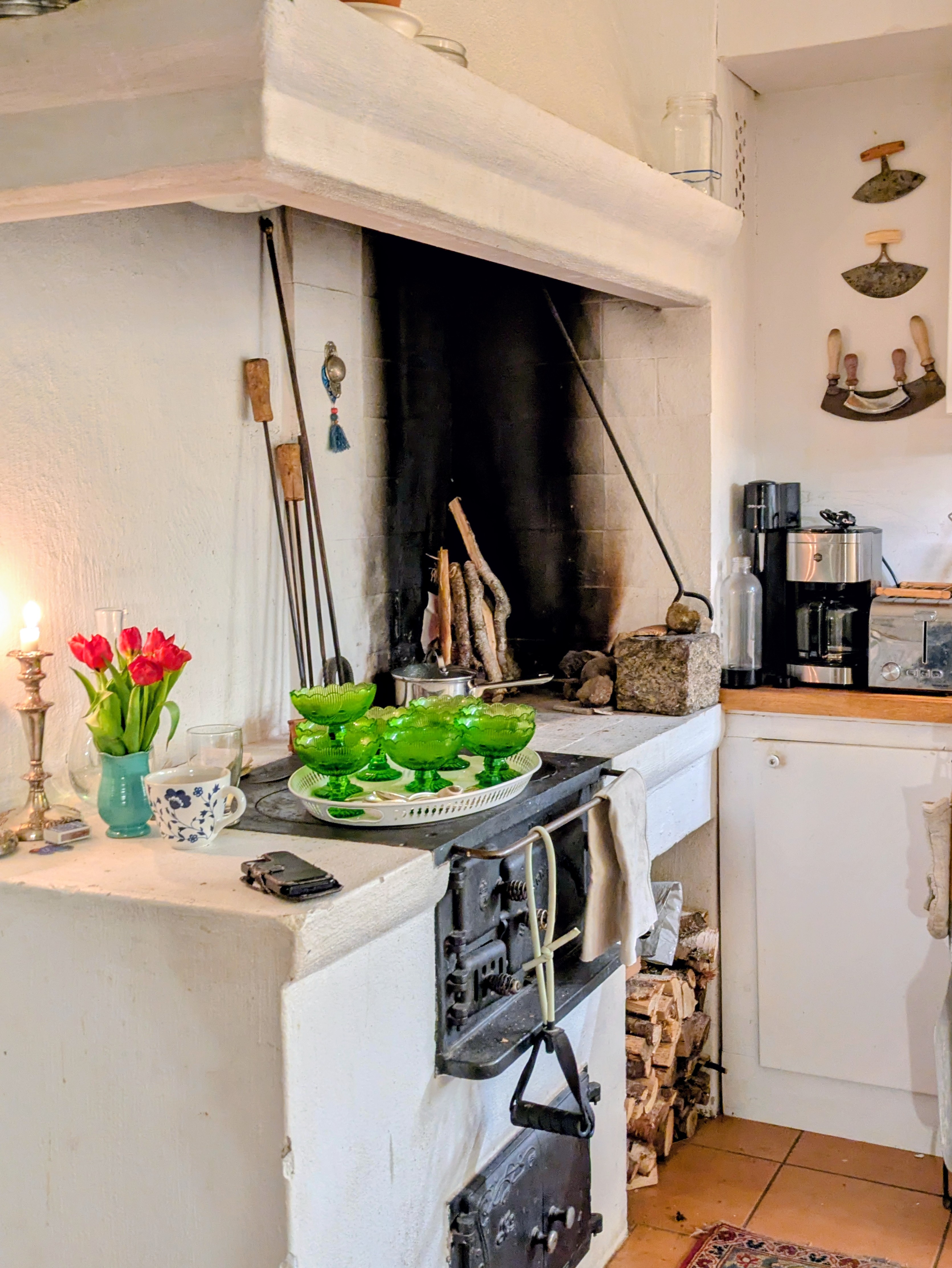
On our first night in Dalarna, we were welcomed into the warm home of a wonderful host for dinner. She described the Falun neighborhood as the old city, built around a 17th-century copper mine. The street is filled with old log homes, some exposed and others covered with siding. Many had storefronts facing the street until the mid 20th century. The only visible clue to the age of our host's home was the exposed beams in the ceiling and a masonry heater.
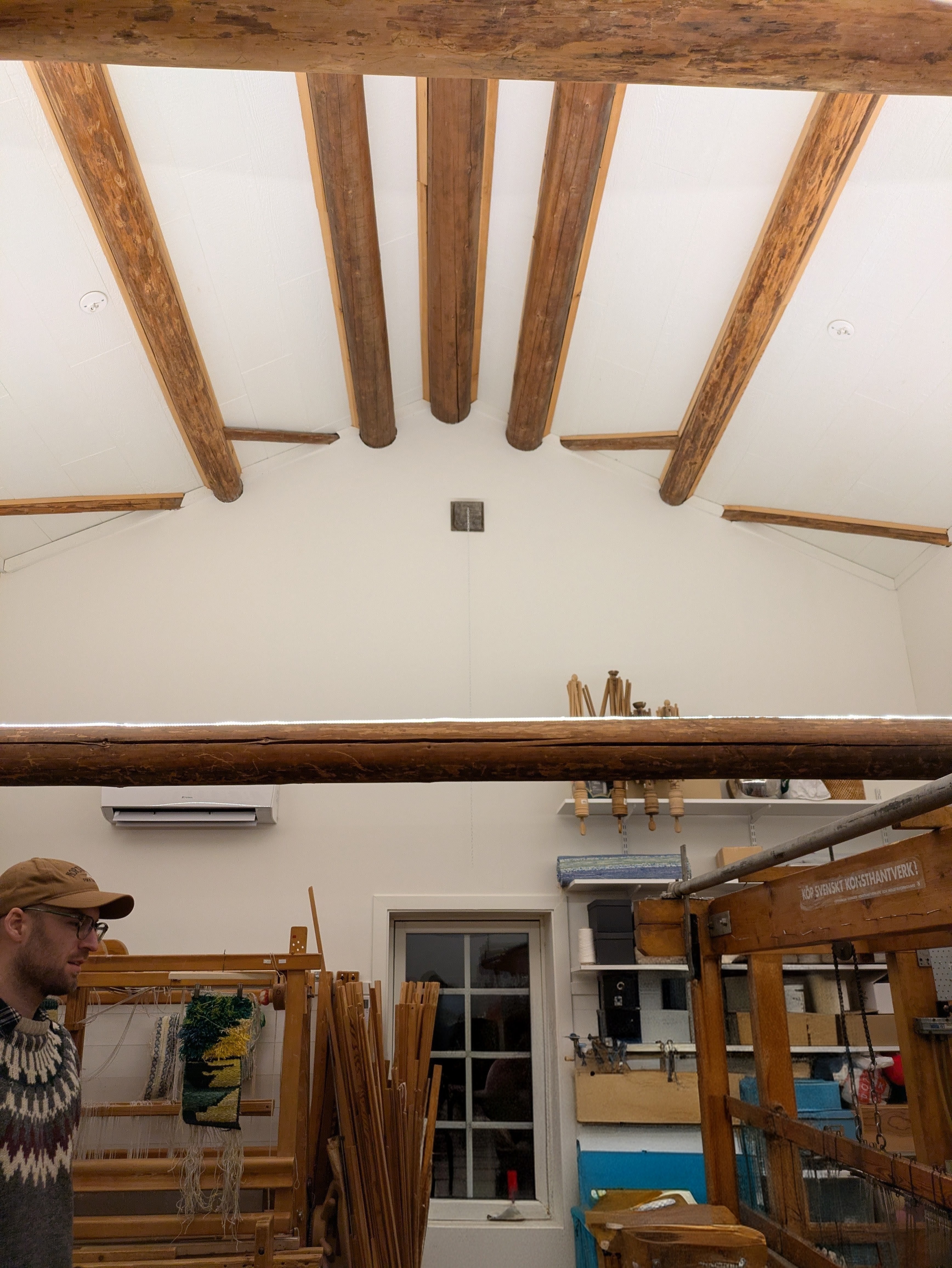
Later in the week, we visited weaving instructor Maria Jufvas and her family. I was struck by the reappearing topic of log homes, particularly their durability and the practice of relocating them. On her property, there are a handful of log buildings, all of which feature exposed logs painted red, a protective linseed oil paint. Many have been moved around and have changed function over time. This includes Maria's beautiful studio, which houses an incredible 14’ loom. The interior is warm and bright; the only evidence of log construction is again seen in the ceiling beams.
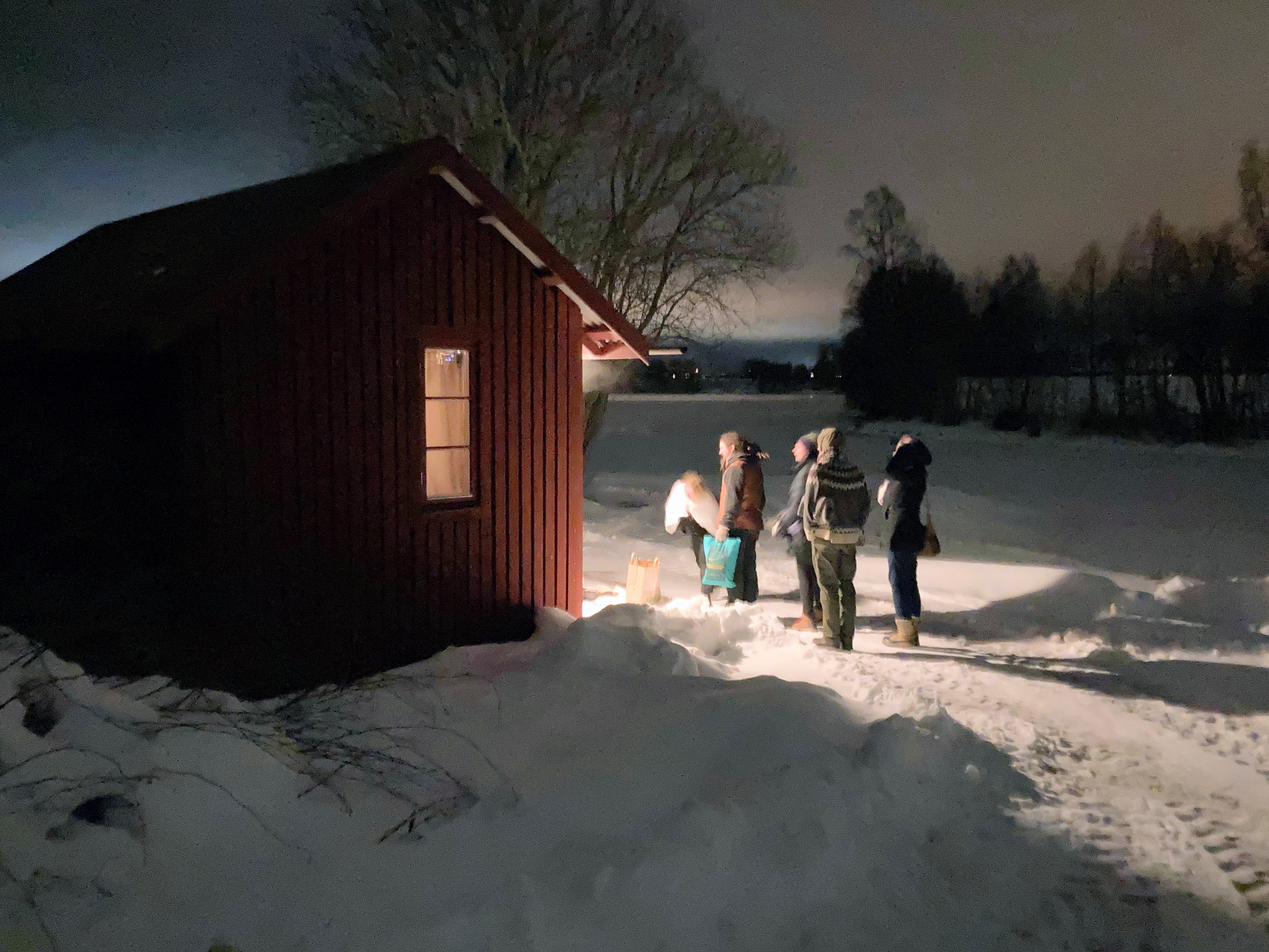
After sharing pizza and conversation, our group shuffled down to a beautiful lakeside sauna for a steam and cold plunge. The sauna was built out by her father, but the structure originally came from a neighbor. Owing to this history, the sauna is communal.
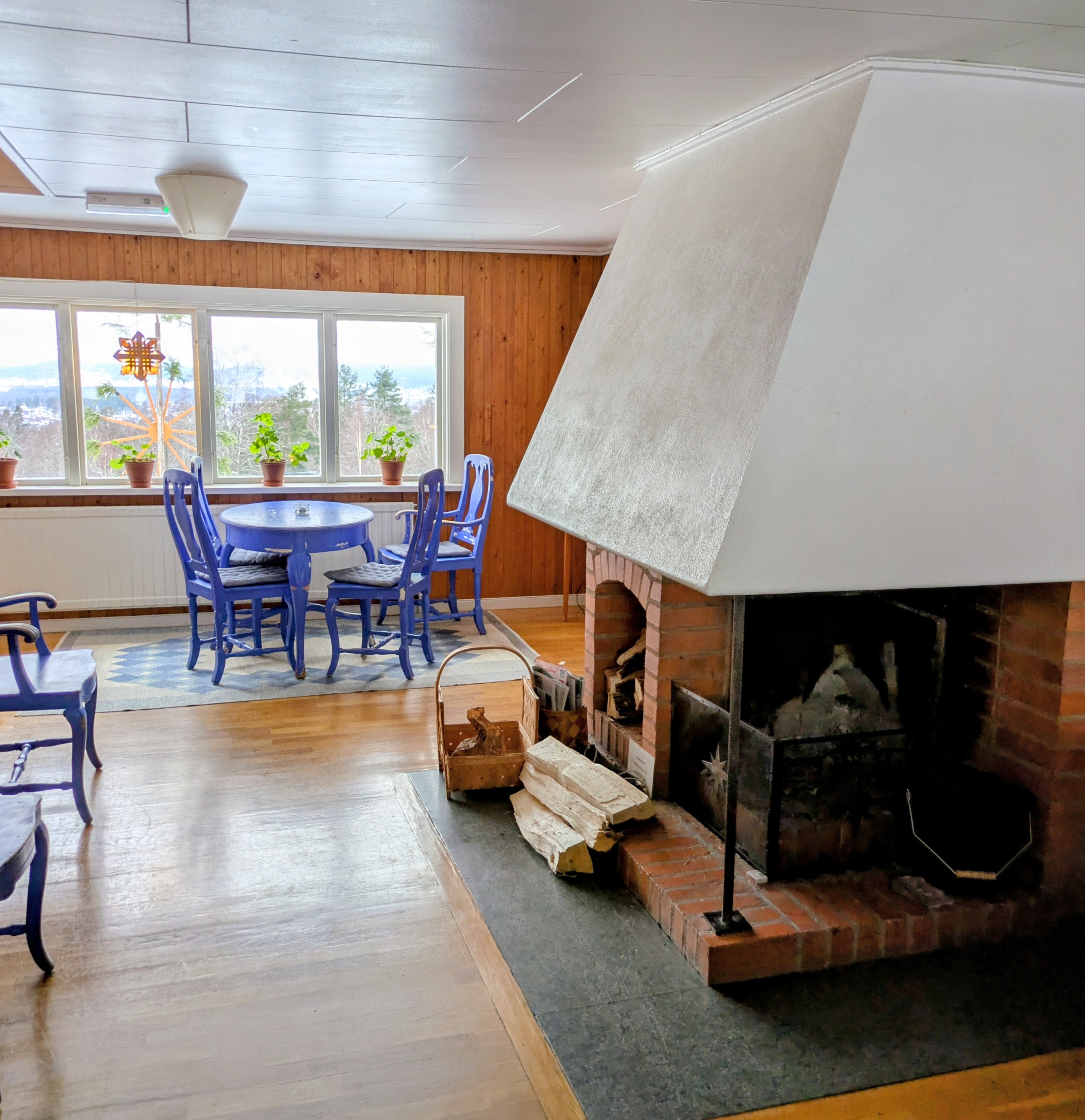
On a visit to the Dalarna Museum, we were introduced to Adam. Trained in log building and preservation, Adam described the continued functionality of traditional methods in stacked construction. Wood beams are notched and lock at the corners with a layer of wool between the scribed and channeled logs. This allows them to be deconstructed and moved, including the interior wood panels, which are often painted with decorative folk paintings. When covered by modern material, moisture often gets trapped, leading to rot and deterioration. However, when cared for properly, log homes from the 1700s retain their beauty and function. Adam also talked about their use for growing families—adding buildings for multigenerational living or taking a part of the log estate to a new area.
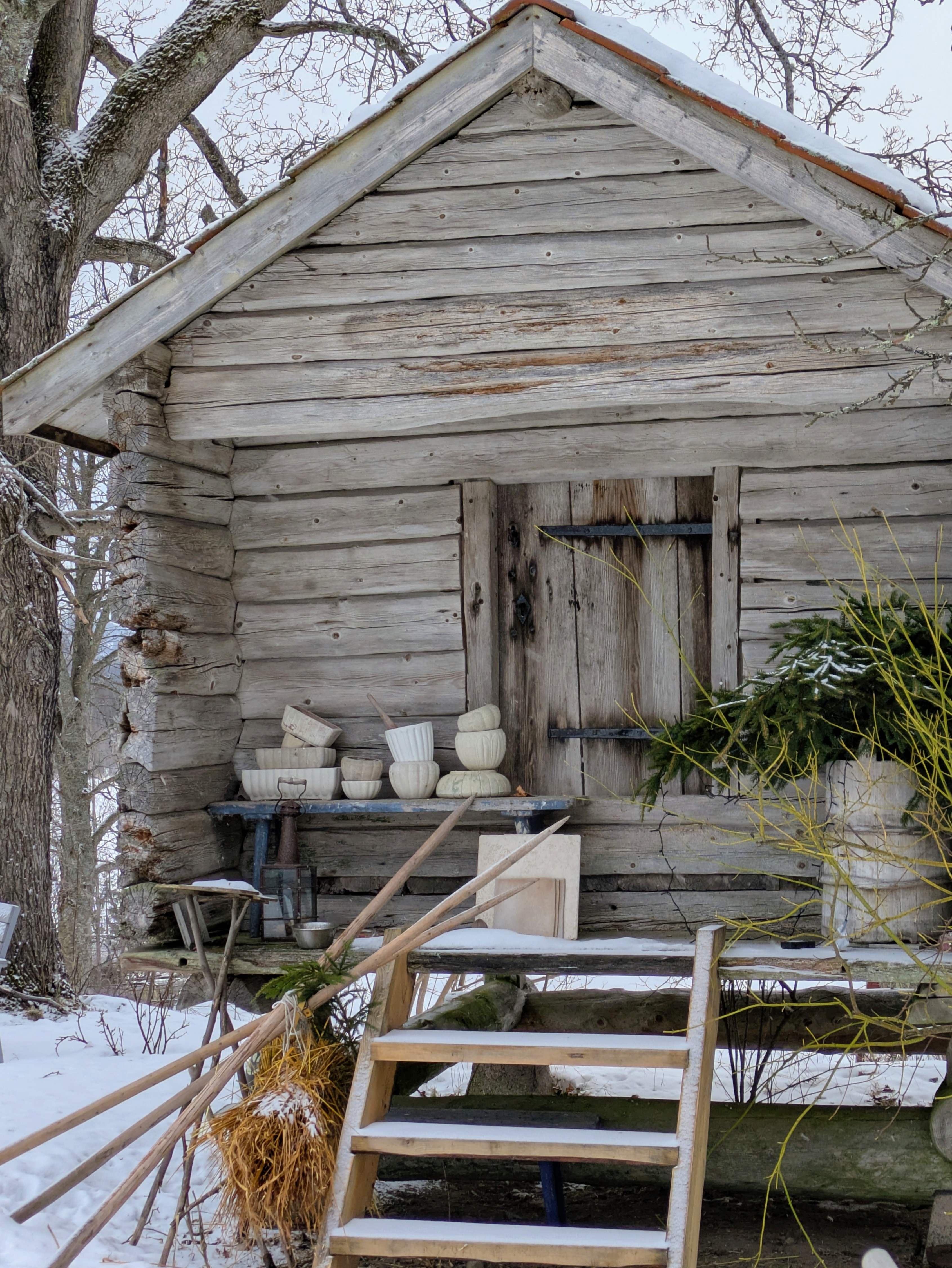
Härvre or Stolpbod, historically used to store food and precious items. Being off the ground, and with a strategically placed board called a mouse shelf, rodents are kept out.