

Beauty In the Tension
What's the point of making beautiful things when it feels like the world is unraveling? In this blog post, Lauren Newby reflects on beauty as a reason to care for one another and for the places that sustain us.
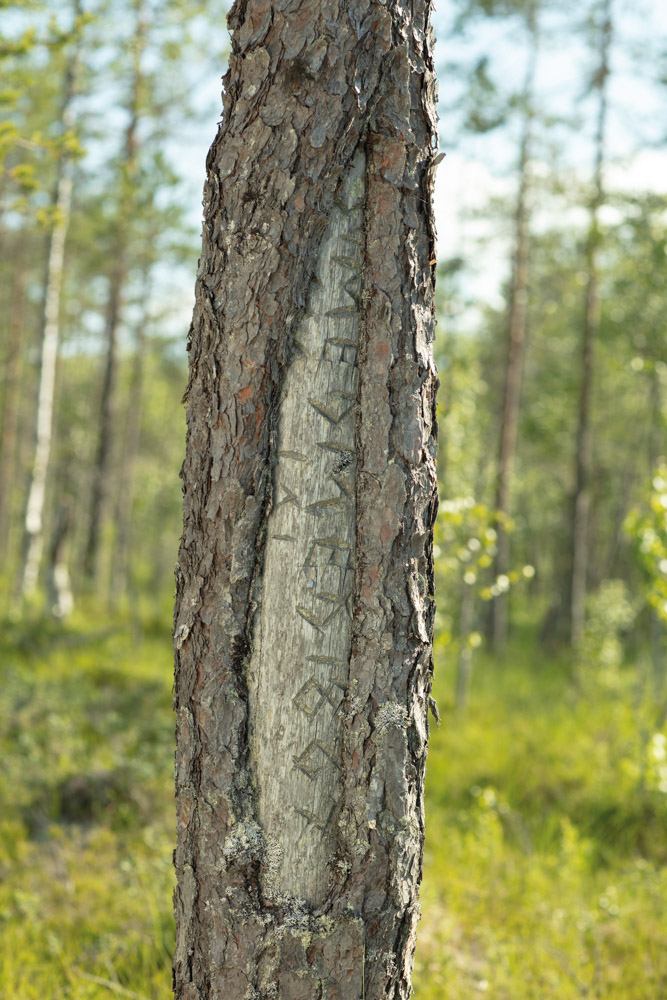
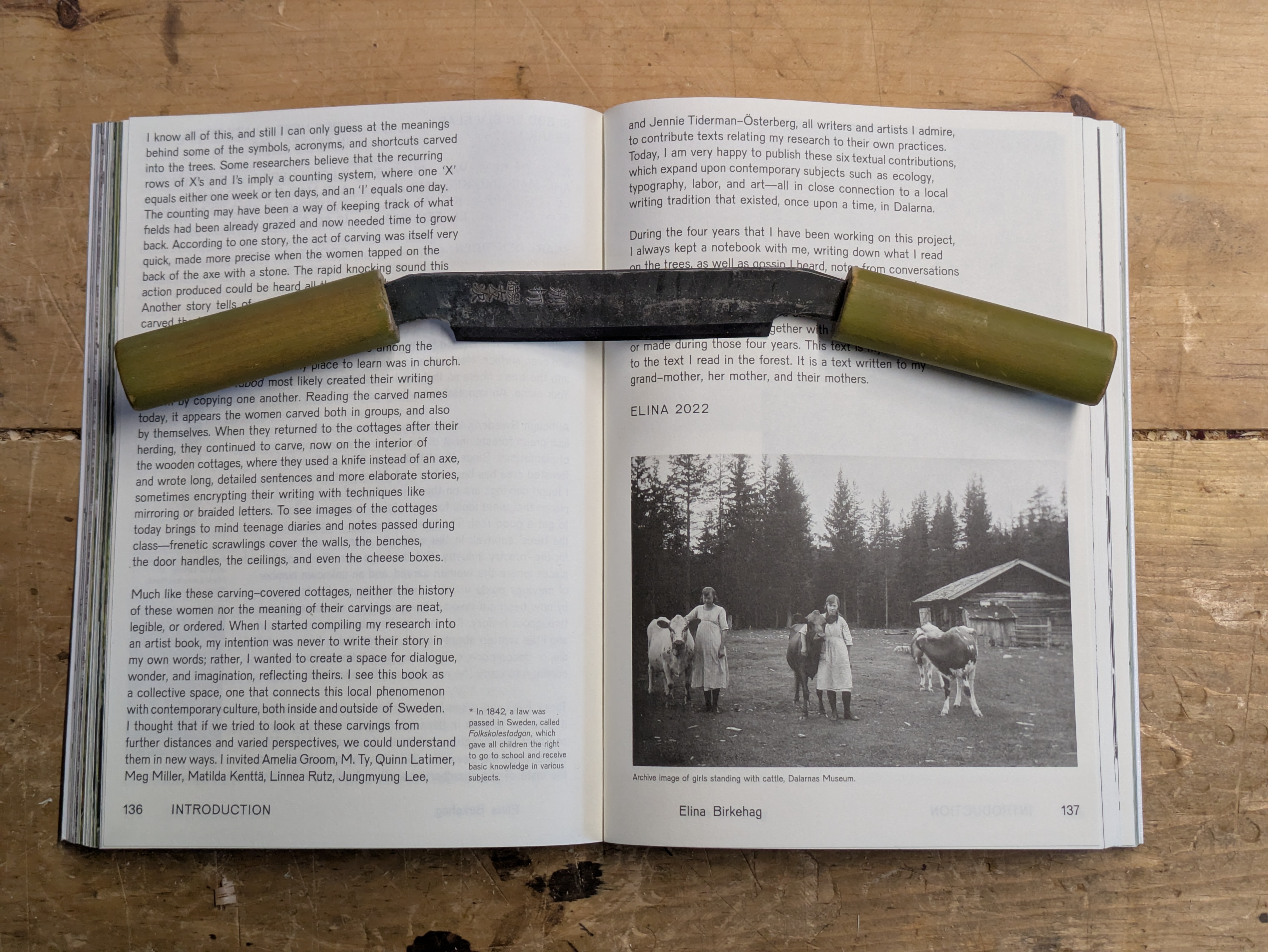
“While men work in the village, Anne is carving in the forest. I imagine her holding the axe in her left hand and a stone in her right. With the stone, she taps the butt of an axe so that the blade pokes its way through the soft fibers of the pine. Around her, seven cows are grazing. In their stomachs, grass turns to butter.” D is for Daughter by Elina Birkehag
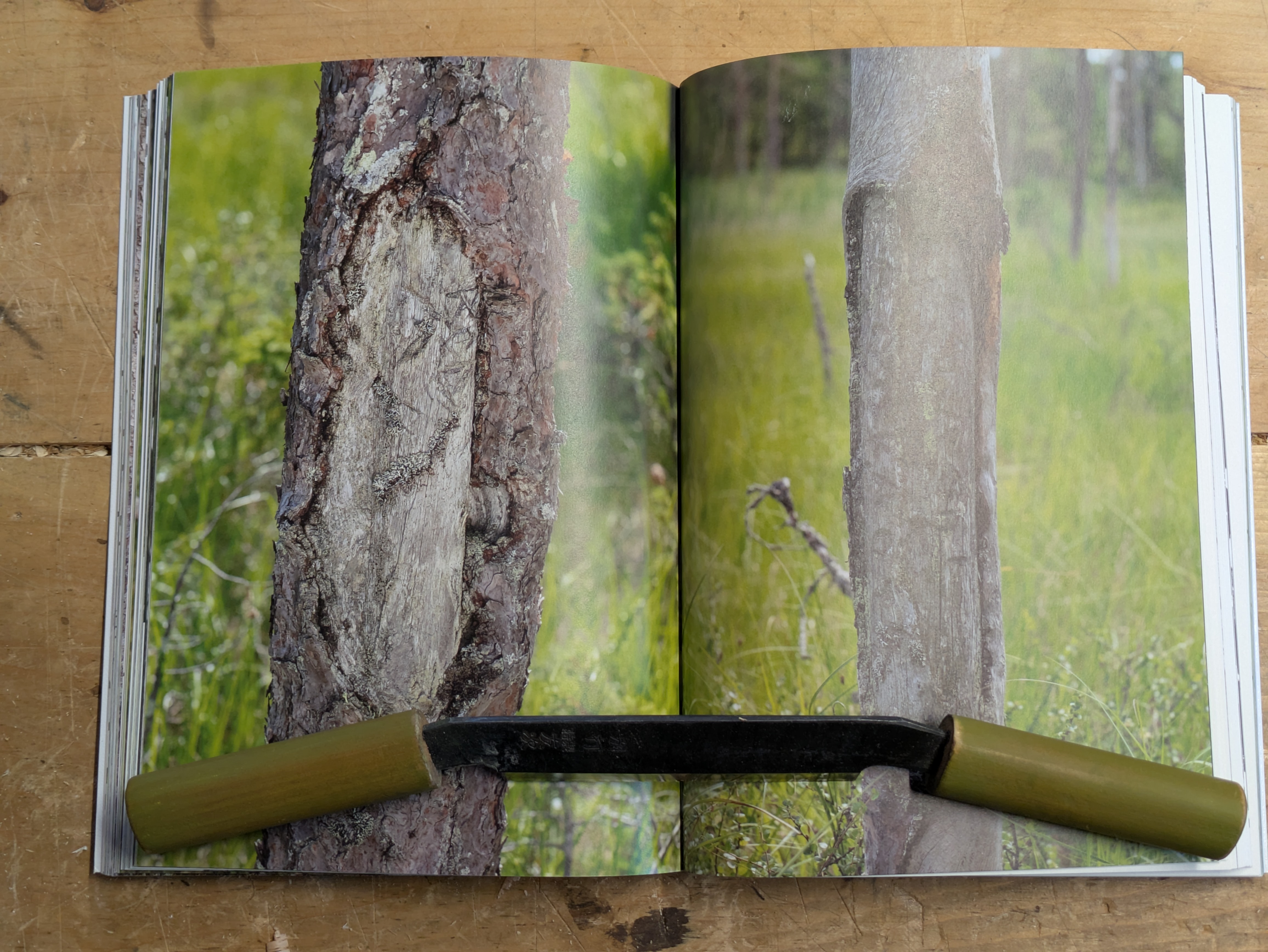
While traveling this winter, I found a book of photos, poetry, and essays describing the lives of female shepherds from Dalarna, Sweden, from the seventeenth through the twentieth century. The photos document inscriptions left on tree trunks by girls and women who left their villages to live and work together on the fäbod, or summer farm, where they grazed cattle. Their existence and stories remain on the trunks of Scotch pines, hundreds of years old, with a coded language of dates, initials, and notes to one another.
The pines of the fäbod are an archive left by women whose lives were otherwise romanticized or forgotten. The shepherds teach me about life in the forest, as a place of labor, companionship, and memory.
Another essay in the collection To Speak of Trees by Amelia Groom and M. Ty, extends that conversation. The writer reflects on photographer Zoe Leonard, whose images of New York City trees show trunks swallowing metal fences, branches catching plastic bags, and people gathering under their shade. The trees carry evidence of cities and industry, yet continue to grow, shelter, adapt, and witness.
Leonard questioned the value of making such quiet photographs during the AIDS crisis. She told her friend that while the world was unraveling, she felt she was "just photographing clouds." His response has stayed with me: "The photographs are so beautiful, and that's what we're fighting for. We're being angry and complaining because we have to, but where we want to go is back to beauty. If you let go of that, we don't have anywhere to go.”
This sentiment has become an unexpected companion this summer. Beauty may not be an escape from difficult reality, but it is a reason we care for one another and the places that sustain us. The shepherds' carvings and notes to each other tell of fear, love, loneliness, boredom and friendship. Leonard’s photographs complicate the romance of nature, depicting trees holding fences and plastic while still growing and sheltering people.
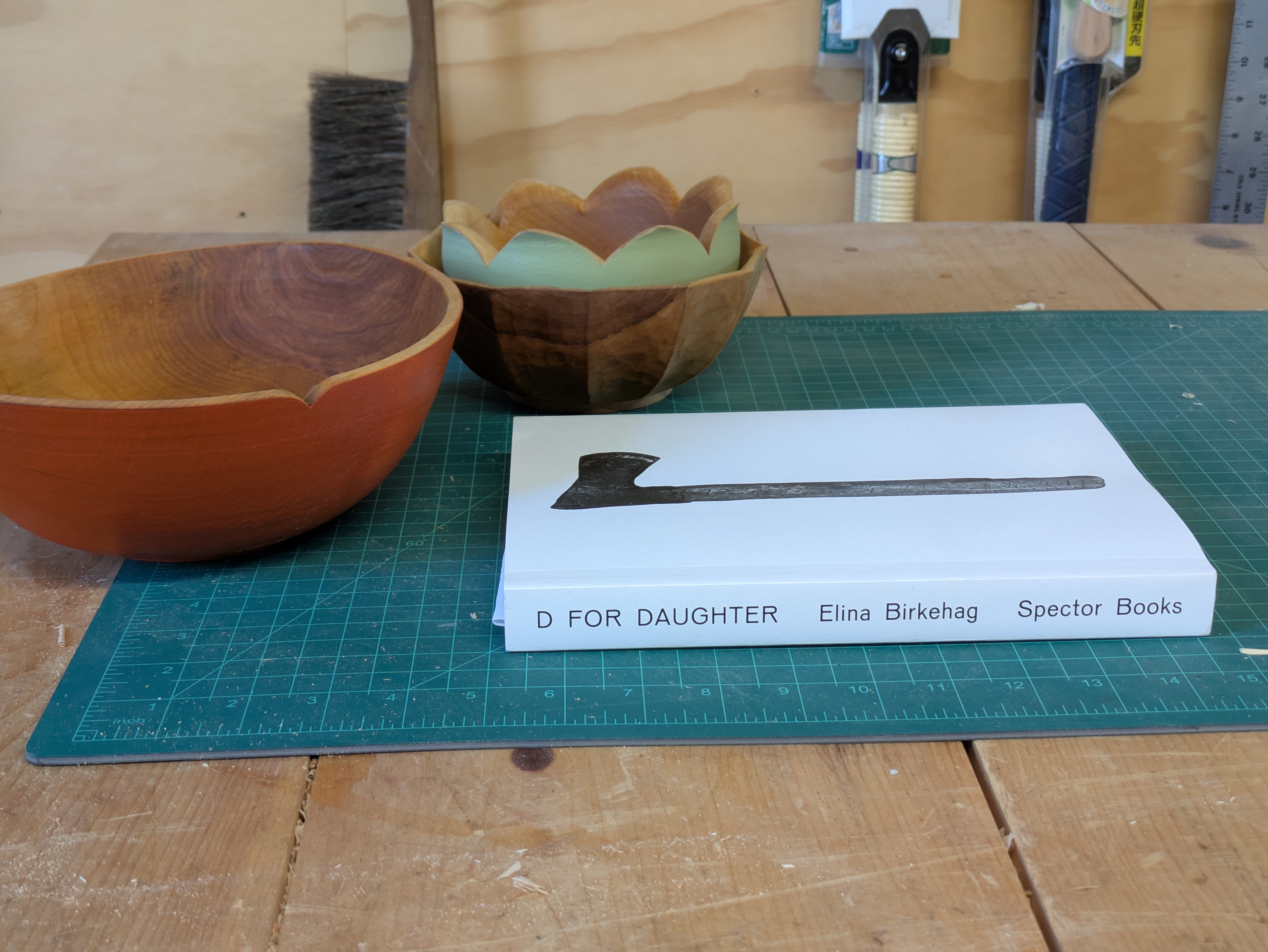
I keep returning to those images as I spend time outside, learning from generous friends, and teaching. Working with wood has allowed me to hold these lessons in equanimity. Projects begin with a living tree, and each bowl, table, or chair carries a trace of the tension between care and use, beauty and labor, gratitude and responsibility. Our craft pays attention to material, knowing it deeply so that gratitude accompanies use, and beauty is inseparable from care.
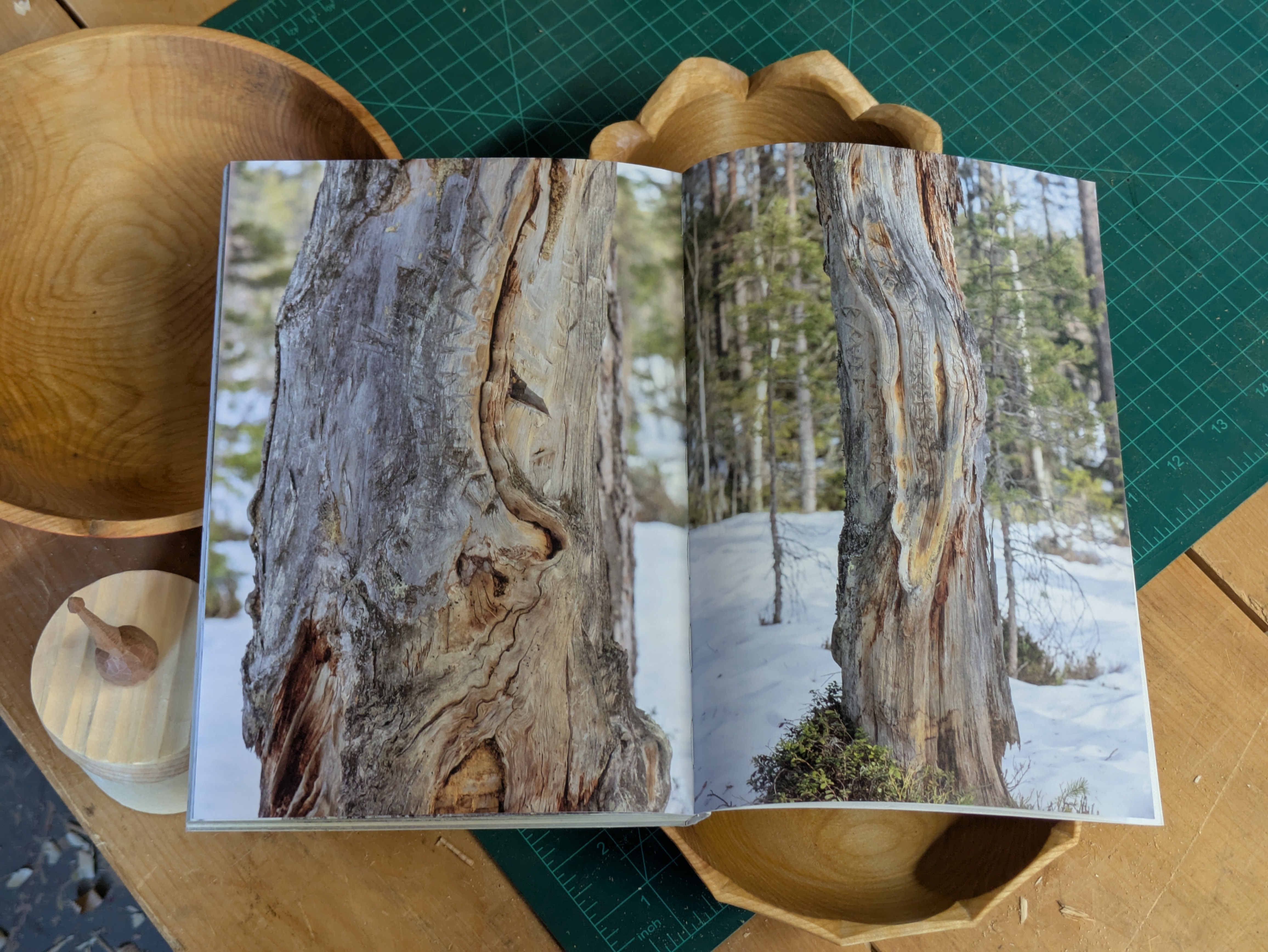
Craft has always existed in the contradictions (tension) I feel. Care and use, beauty and labor, gratitude and responsibility live together. The women’s marks were not only decorations or records, but evidence of lives that held joy and hardship, companionship and solitude.